

Someone feels fine on the weekend. Then Monday hits: dry eyes, scratchy throat, headache, brain fog, fatigue. By mid-afternoon the complaints stack up. After people leave, symptoms ease.
That pattern has a name: Sick Building Syndrome (SBS). It’s used when occupants report acute health and comfort symptoms that seem linked to time spent in a building, but no single, diagnosable illness or one definitive cause has been identified. A key clue is that most complainants report relief soon after leaving the building. (epa.gov)
SBS is not rare. A World Health Organization committee report summarized in the U.S. EPA’s SBS fact sheet, suggested that up to 30% of new and remodeled buildings worldwide may generate excessive indoor-air-related complaints. (epa.gov)
And the stakes are high because indoor air is where life happens. EPA research notes Americans spend about 90% of their time indoors, where pollutant levels can exceed those outdoors. (epa.gov)
Why SBS still happens in “modern” buildings
A building can look flawless and still create symptoms because SBS often results from a combination of small issues that add up.
1) Indoor pollutants can concentrate quickly.
EPA has long emphasized that indoor levels of some pollutants can be 2–5 times, and occasionally more than 100 times, higher than outdoor levels. (epa.gov)
2) Efficiency changes how buildings breathe.
Tighter envelopes and energy-saving HVAC strategies can reduce dilution of indoor emissions if controls, airflow distribution, or schedules do not match real occupancy. The building may be “on,” but not delivering clean air where and when people need it.
3) The indoor source list keeps growing.
Office furniture, adhesives, carpets, cleaning products, printers, and renovations can introduce gases and particles. EPA notes that for VOCs, indoor levels commonly average 2–5× outdoor levels. During certain activities, like paint stripping, levels can reach 1,000× outdoor background for several hours. (epa.gov)
4) Moisture is the multiplier.
Water intrusion, condensation, and persistently high humidity can enable microbial growth in building materials and HVAC components, turning a minor leak into a recurring complaint pattern.
What SBS looks like in the real world
The EPA’s SBS symptom list is bluntly familiar: headache; eye, nose, or throat irritation; dry cough; dry or itchy skin; dizziness and nausea; difficulty concentrating; fatigue; and sensitivity to odors, often improving after leaving the building. (epa.gov)
That symptom timing matters as much as the symptom itself. SBS tends to show up as:
- Workday-worse and evening-better patterns
- Location clustering (certain rooms, zones, floors)
- Trigger clustering (after cleaning, renovations, HVAC changes, or water events)
SBS is also different from building-related illness (BRI). With BRI, symptoms can be clinically defined and traced to a contaminant or outbreak. With SBS, the building pattern is clear, but the cause is often multi-factor and not singularly diagnosable. (epa.gov)
The causes: the “big buckets” that drive SBS complaints
1) Ventilation problems (not just “not enough air”)
Ventilation issues aren’t only about total outdoor air. The most common SBS ventilation failures are distribution and control failures:
- Outdoor air dampers stuck closed or under-delivering
- Supply air not reaching complaint zones
- Short-circuiting (supply pulled straight into returns)
- HVAC schedules that don’t match occupancy (especially meeting rooms and after-hours use)
CO₂ is useful here, but not because CO₂ is the villain.
In most offices, CO₂ is better treated as a signal that a space is under-ventilated for its occupancy and activity level. Evidence suggests CO₂ and other co-occurring factors, like VOCs and ventilation, correlate with decision-making performance. A controlled study published in Environmental Health Perspectives found cognitive function scores were significantly higher in “Green” and “Green+” ventilation and VOC conditions than in conventional conditions. The study also found VOCs and CO₂ were independently associated with scores. (pubmed.ncbi.nlm.nih.gov)
2) Moisture and microbial amplification
Moisture is one of the fastest ways to turn a building into a complaint generator. It doesn’t require dramatic flooding. It can be driven by:
- Chronic condensation
- A slow roof or plumbing leak
- Wet insulation near cooling coils
- Poorly draining condensate pans
Humidity targets exist for a reason. CDC guidance, in the context of environmental controls, notes a 30%–60% relative humidity comfort range, and that relative humidity levels above 60% promote fungal growth. (cdc.gov)
ASHRAE guidance also notes controlling RH to below 65% to reduce conditions that can lead to microbial growth. (ashrae.org)
3) Chemicals and particles from everyday operations
You don’t need an industrial plant to get meaningful chemical and particle loads indoors:
- New furniture and finishes can off-gas
- Cleaning chemicals can create odor and irritation events
- Printing areas can generate VOCs and particulates
- Outdoor sources (traffic, construction, wildfire smoke) can infiltrate
EPA’s VOC guidance is a reality check. Indoor organic levels average 2–5× outdoors. Levels can spike to 1,000× background after certain activities. (epa.gov)
And because most people spend about 90% of their time indoors, those indoor exposures dominate daily dose. (epa.gov)
4) Thermal comfort and low or high humidity irritation
Even when temperatures are technically “acceptable,” swings, drafts, and dry air can aggravate mucous membranes and eyes, especially in winter. Meanwhile, high humidity increases microbial risk and can intensify odors.
A practical investigation mindset (before you spend money on testing)
A good SBS response is less “test everything” and more “capture the pattern, then test targeted hypotheses.”
Step 1: Document the pattern (10–14 workdays)
- Who is affected?
- Where are they when symptoms start?
- When do symptoms peak?
- What changed recently?
This is where a symptom log is not busywork. It’s your fastest path to pinpointing zones, triggers, and time windows.
Step 2: Map complaints to building reality
Overlay the complaint map on:
- HVAC service areas (what air handler serves which zones)
- Recent work orders
- Known water events
- Cleaning schedules
- Renovation timelines
Step 3: Walk the building like an investigator
A walk-through often finds the “small” issues that create big symptoms:
- A blocked return grille
- An outdoor air intake pulling in exhaust
- A musty ceiling tile no one reported
- Restroom odor migrating into occupied space due to pressure imbalance
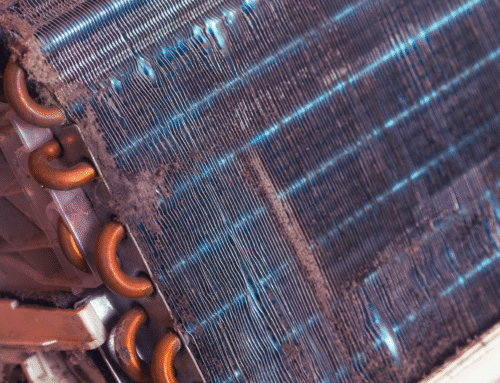
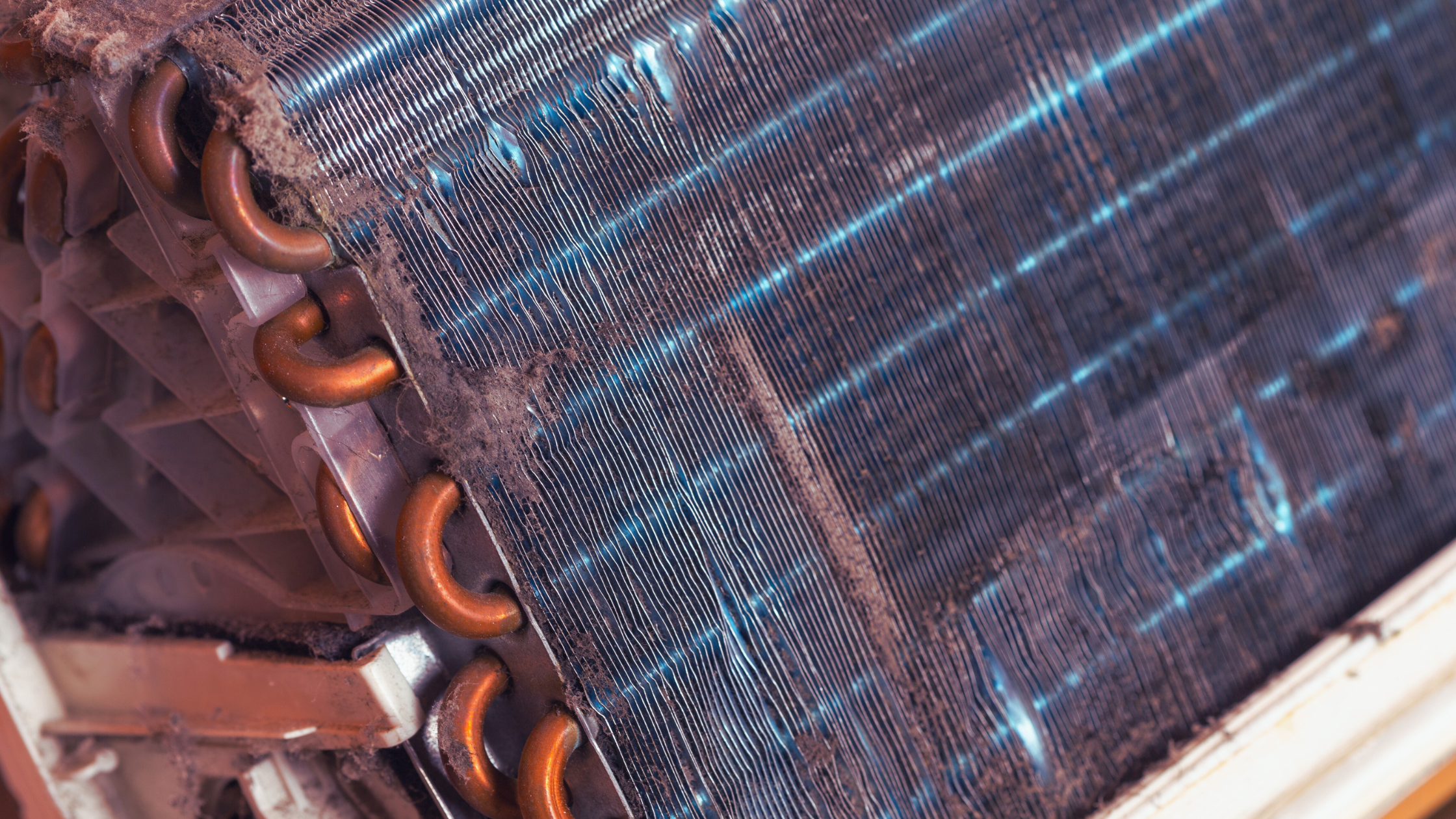
- Dirty coils and drain pans or filter bypass gaps
What to measure (and what each measure really means)
If you do measurements, make them answer a specific question.
- CO₂: Are we delivering enough outdoor air for the actual occupancy in this zone during complaint times?
- Temperature and RH: Are we creating dryness irritation or moisture conditions that support microbial growth? Watch prolonged RH above 60%. (cdc.gov)
- PM2.5: Are particles infiltrating from outdoors or being generated indoors? Are spikes aligned with known events (wildfire smoke, construction dust, cooking, high activity)?
- VOC screening: Are there spikes that line up with cleaning, renovations, new furnishings, or product changes? EPA’s data supports the idea that activities can produce major short-term VOC surges. (epa.gov)
- Pressure relationships: Are pollutants migrating from restrooms, garages, loading docks, or shafts into occupied zones?
The key is pairing numbers with time, place, and operations, because SBS is usually an interaction effect.
Fixes that usually work (prioritized)
Quick wins (days)
- Verify outdoor air delivery (damper operation, schedules, overrides during complaint windows)
- Remove airflow blockages (furniture, partitions, stacked boxes)
- Seal filtration bypass (filters seated correctly, no gaps around racks)
- Reduce chemical triggers (swap products, change timing, ventilate after use)
- Address moisture immediately (dry fast, remove wet porous materials if needed)
Operational improvements (weeks)
- Rebalance airflow and distribution (complaint zones often have delivery problems, not just “low outdoor air”)
- Correct pressure relationships (restrooms, garages, docks should not push odors into occupied areas)
- Align HVAC schedules to occupancy (plus pre-occupancy purge cycles where appropriate)
- Improve source control (printer rooms, storage closets, local exhaust where needed)
Capital improvements (months)
- Distribution and zoning redesign where needed
- Humidity control strategy (prevent chronic high RH and condensation)
- Envelope improvements to reduce infiltration and moisture pathways
- Continuous monitoring in high-risk zones (so you catch drift before complaints spike)
Why it’s worth it: performance and economics
Ventilation and indoor environmental quality aren’t only comfort issues. They’re productivity issues. Lawrence Berkeley National Laboratory’s Indoor Air group summarizes estimates suggesting $7–$15B in annual productivity gains in offices from increasing ventilation rates and adding economizers (model-based estimates). (iaqscience.lbl.gov)
And controlled research has shown large differences in cognitive function scores under improved ventilation and lower-VOC conditions. (pubmed.ncbi.nlm.nih.gov)
Communication is part of the technical solution
SBS investigations fail when the building team treats it like a PR problem, or when occupants treat it like a conspiracy.
Do this instead:
- Acknowledge symptoms as real and worth investigating
- Share what you’re checking, what you found, and what you changed
- Give people a clear reporting path and timeline for follow-up verification
The fastest way to reduce complaints is often to reduce uncertainty.
When to escalate (and when to stop guessing)
Escalate quickly if you see:
- An outbreak pattern with clinically defined symptoms
- Suspected combustion or CO issues
- Significant water damage or recurrent moisture
- Widespread visible mold or recurring regrowth after “cleanup”
EPA differentiates SBS from building-related illness specifically because BRI involves diagnosable symptoms and direct attribution to building contaminants. (epa.gov)
If you’re in that territory, bring in qualified IAQ expertise early.



 1-888-997-4310
 info@securelogicUSA.com




Leave A Comment