
What if one of the most significant risks to student health isn’t something we can see? While most of us think about scraped knees or catching a cold when it comes to student well-being, there’s another concern that quietly affects students every day: the air they breathe.
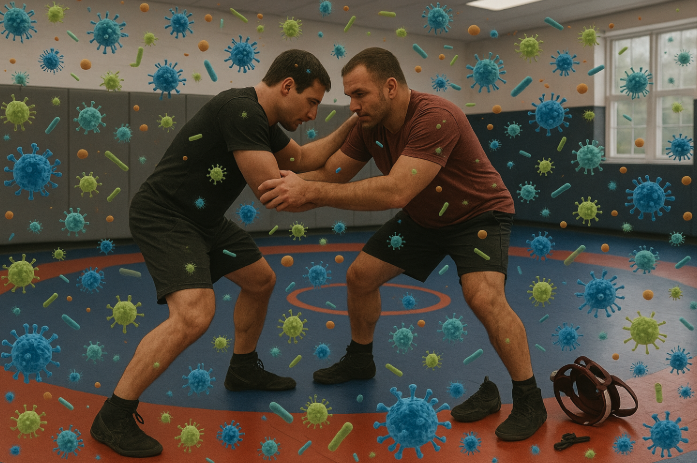
Airborne viruses, such as RSV and the flu, mold growing inside HVAC systems, and bacteria floating through shared spaces can all impact indoor air quality. These invisible threats can lead to more asthma attacks, trigger allergies, and even affect how well kids focus and learn. And for students with underlying health conditions, the dangers are even greater.
What’s Really in the Air?
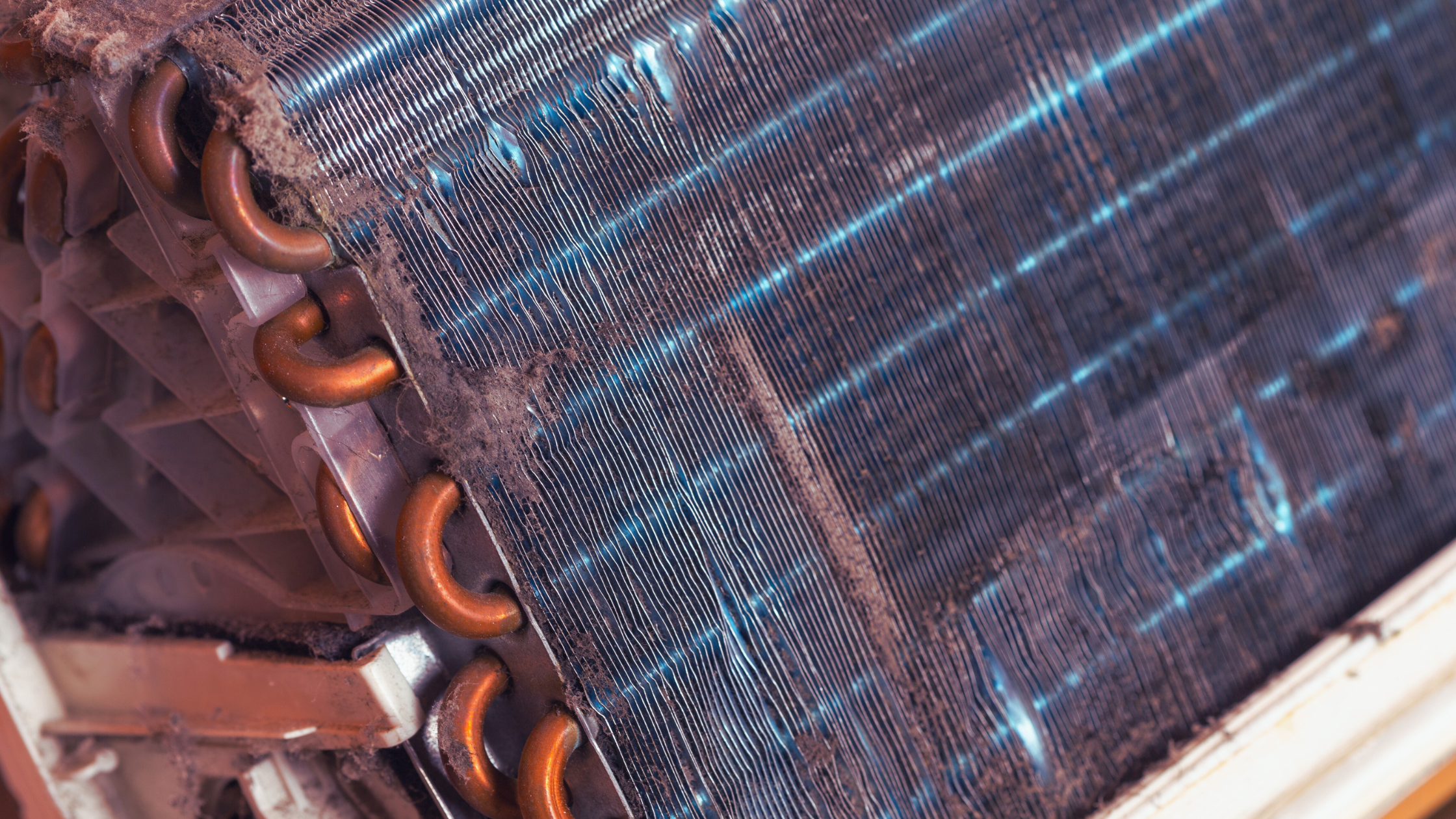
Many school buildings, especially older ones, struggle with outdated or poorly maintained ventilation systems. When filters aren’t regularly changed or systems aren’t deep-cleaned, a buildup of dust, dander, and biofilm can form. That biofilm becomes a breeding ground for bacteria and mold, which are then circulated throughout classrooms.
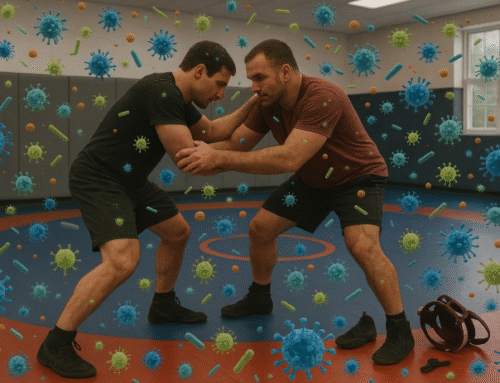
Combine that with crowded rooms, limited fresh air, and high-touch surfaces, and you have the perfect recipe for spreading illness. This is especially true in younger classrooms where children are more likely to share toys, touch their faces, or sit close together.
The Health Impact on Students
For children with asthma, allergies, or compromised immune systems, poor air quality can be more than just an inconvenience. It can contribute to ongoing health concerns for students. Frequent exposure to allergens and pathogens can lead to missed school days, increased doctor visits, and long-term respiratory issues.
Even for generally healthy students, studies have shown that poor air quality has a correlation to lower concentration levels, headaches, fatigue, and reduced academic performance. Simply put, when the air is unhealthy, students struggle to thrive.
Why This Matters Now More Than Ever
Post-pandemic, we’re more aware than ever of how illnesses spread. But awareness alone isn’t enough. Schools need proactive, practical solutions to maintain clean indoor air. This isn’t just about flu season. It’s about year-round wellness.
Routine cleaning is a good start, but it doesn’t address what’s circulating through the HVAC system or lingering in the air. That’s why many childcare centers and schools are turning to air-treatment approaches that work behind the scenes. These include scheduled misting systems that treat both surfaces and the air using botanical formulations designed for use in educational settings without interrupting daily routines.
What Can Parents and Educators Do?
You don’t need to be an HVAC expert to help improve school air quality. Here are a few steps you can take:
- Ask questions: Find out how often HVAC filters are changed and whether the system is professionally cleaned.
- Advocate for air quality audits: Encourage your school to evaluate the effectiveness of its current ventilation and disinfection practices.
- Support science-backed solutions: Look for technologies that are EPA-registered and formulated for use in classroom settings.
- Educate and collaborate: Share information with fellow parents, staff, and administrators to build a collective effort toward cleaner air.
Creating a Healthier Learning Environment
Every child deserves to learn and grow in an environment that supports their well-being. That starts with the basics, including the air they breathe. Acknowledging that there are hidden concerns and taking small, informed steps can help create classrooms that promote comfort and consistent air quality.
Clean air shouldn’t be a luxury. It should be a standard. Let’s work together to make that a reality for every student.
Reach out to our team today to discuss botanical disinfection solutions for your school:
➡️ https://securelogicusa.com/contact-us/


 1-888-997-4310
 info@securelogicUSA.com